If you have shopped for any smart home device lately, you have seen the Matter logo. Here is what it actually means — without the jargon.
The problem Matter solves
For a decade, smart home shopping meant checking compatibility lists: does this bulb work with Alexa? With Apple? With my hub? Buy wrong and you owned a gadget your system could not see.
What Matter is
Matter is a shared language for smart home devices, backed by Apple, Google, Amazon, Samsung and hundreds of manufacturers through the Connectivity Standards Alliance (CSA). A Matter-certified device works with any major platform — Apple Home, Google Home, Amazon Alexa, SmartThings — your choice, now or later.
What Matter is not
Matter is not a network. Devices still connect over Wi-Fi, Ethernet or Thread — Matter is the language spoken over those connections. It also does not cover every feature: advanced device tricks (a vacuum’s detailed maps, a camera’s AI zones) may still need the maker’s own app.
What devices exist?
As of 2026, essentially every category that matters: bulbs, plugs, switches, sensors, locks, thermostats, blinds, appliances — and with Matter 1.5, cameras and video doorbells joined the specification. IKEA alone ships more than 20 Matter devices, with bulbs from about $5.
Multi-admin: the killer feature
One device can belong to two ecosystems at once. Your household’s iPhone users control the lights through Apple Home while the Android side uses Google Home — same bulbs, no compromise.
What you need to start
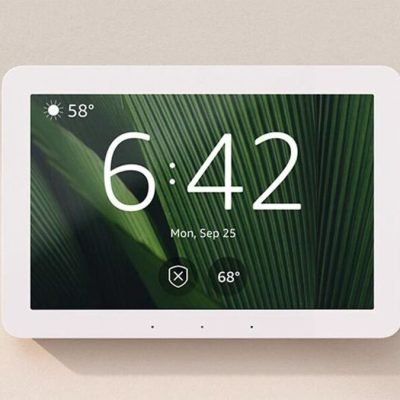
A Matter controller: any recent HomePod, Nest Hub, Echo or SmartThings hub. If devices use Thread, that controller should also be a Thread border router (most are). Then look for the Matter logo on everything you buy — it is the closest thing to a future-proof guarantee the smart home has ever had.